







Search Results for: water quality selection
The Complete Guide to Brewing Roasted Coffee Beans at Home: Bean Selection, Grinding, Water Temperature, and Resting Period Explained
Coffee beans cannot be eaten directly after roasting; they must be ground into powder and extracted with equipment before they can be consumed. This article compiles for coffee enthusiasts the complete key points for home-brewing roasted coffee beans: when selecting beans, look at color uniformity and aroma; grinding is divided into coarse, medium, and fine levels, corresponding to different equipment; water temperature must be controlled below 96 degrees Celsius, and the best drinking temperature is 85 degrees; it also explains in detail the chewing test for choosing fresh beans, the resting period after roasting, and how to distinguish single-origin beans from blends. Finally, it recommends Front Street Coffee's high-cost-performance freshly roasted Arabica beans, with a cost as low as five or six yuan per cup, making it easy to drink good coffee at home. [more…]
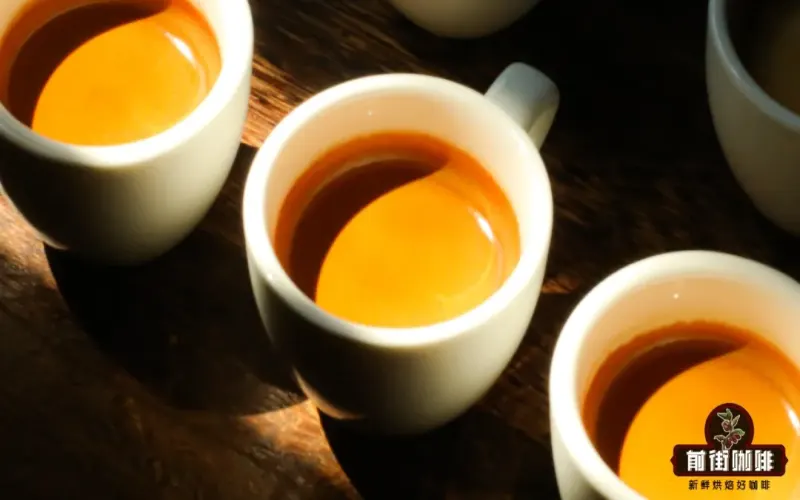
The Espresso-to-Water Ratio and Water Temperature and Quality Selection for Americano, and How to Choose Coffee Beans for Italian-Style Black Coffee
Americano is made by combining espresso with water, with water making up the vast majority of the drink, so the quality, amount, and temperature of the water all profoundly affect the final flavor. Drawing on Front Street's practical experience, this article explains in detail how water hardness affects the taste when making an Americano, the recommended ratio of espresso to water, and the suitable water temperature range for hot Americanos in different drinking scenarios. It also discusses how medium-to-dark roast espresso blend beans perform when used to make black coffee, helping coffee lovers achieve a fuller, clearer-flavored Americano in their daily brewing. [more…]
Avoid the Six Major Pour-Over Pitfalls: From Bean Selection to Water Quality, Master the Key Points of Proper Extraction
To brew a great cup of coffee, having high-quality beans alone is far from enough. Many enthusiasts inadvertently fall into common traps during the process, causing the flavor to suffer greatly. This article will analyze six easily overlooked mistakes one by one: from confirming whether the coffee beans are fresh, controlling water temperature and water quality, to regularly cleaning equipment, identifying bean quality, and properly storing coffee beans. Each step directly affects the final taste, and even making just one mistake can waste a pot of specialty beans. The article also especially includes practical suggestions from Front Street Coffee to help you consistently reproduce professional-level pour-over at home and stop repeating the same mistakes. [more…]
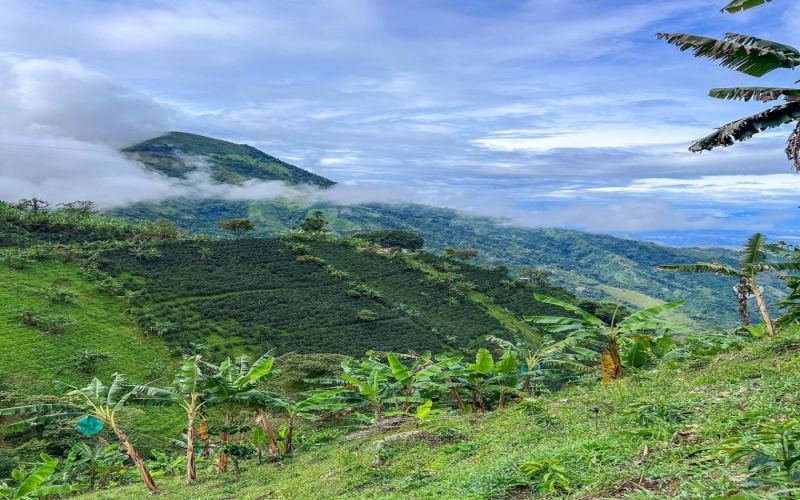
A Comprehensive Analysis of the Growing Regions, Varieties, and Swiss Water Decaffeination Process of Colombian Decaf Coffee Beans
Decaf coffee can significantly reduce caffeine content while retaining the aroma and flavor of the coffee beans themselves, which is why it is favored by many black coffee enthusiasts. Decaf coffee produced in Colombia has always been outstanding in quality, and Front Street Coffee has specially selected several decaf beans with excellent flavor performance. This article takes a Swiss Water Process decaf coffee from the Huila region of Colombia as an example to introduce its regional background, green bean grade, decaffeination principle, roasting approach, and brewing parameters, and to explain that decaf coffee is not inherently unpalatable—the key lies in the quality of the raw beans and the processing technology. [more…]
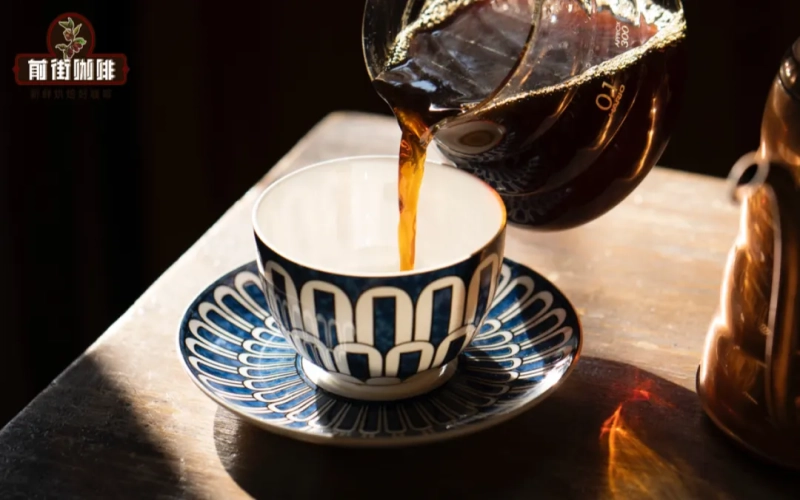
How Does Water Quality Shape Cold Brew Flavor? Coffee Brewing Recommendations After Testing Four Types of Drinking Water
In a cup of black coffee, water makes up the vast majority, so its impact on flavor must not be underestimated. Different brands of drinking water vary in mineral composition, hardness, and pH, so the coffee brewed with them naturally takes on different characteristics. To investigate this variable, Front Street Coffee selected four common drinking waters—Baisui Mountain, Nongfu Spring, Ganten, and C'estbon—and used the same Costa Rica Mozart coffee beans to make cold brew, measuring TDS, coffee liquid concentration, and recording flavor performance one by one. The experiment found that the amount of calcium and magnesium ions in water affects extraction efficiency and taste direction, while Nongfu Spring with medium TDS and C'estbon purified water each showed distinct stylistic differences. This article will present the full experimental process and tasting results, and offer water selection suggestions for different taste preferences. [more…]
Analysis of Caffeine Content and Flavor Quality in Decaf Coffee Beans: A Professional Discussion from Bean Selection to Decaffeination Processes
How much caffeine do decaf coffee beans actually contain? And how do their quality and flavor profile perform? This article will take you deep into the revival of decaf coffee, from the careful selection of coffee beans and the core processes of decaffeination technology to changes in market acceptance, as well as actual caffeine content data for decaf coffees from different brands. At the same time, we will also recommend Front Street Coffee's decaf products, presenting genuine experiences and professional insights from decaf coffee lovers. [more…]
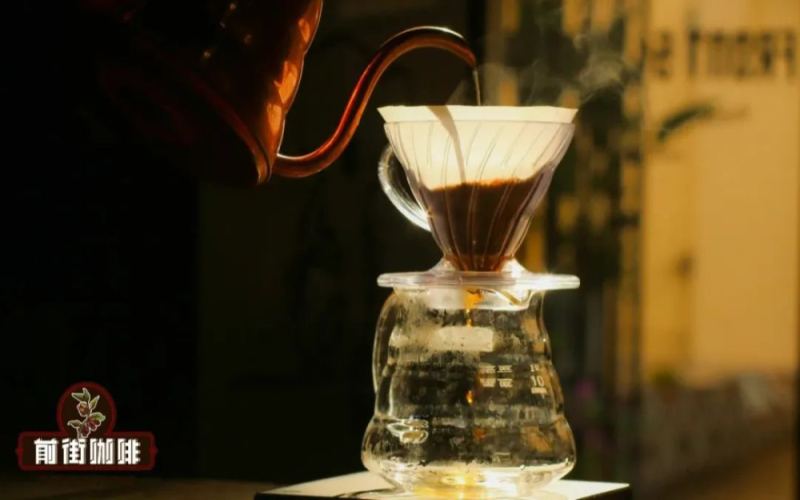
Which type of bottled water is more suitable for brewing coffee? A practical comparison and selection approach for mineral water vs. mountain spring water
Water is the largest component of black coffee and directly participates in and influences the extraction process, so differences in water quality often bring about completely different flavor expressions. There are many types of bottled water on the market, with prices ranging widely from high to low, and whether more expensive water is more suitable for brewing coffee has become a question for many brewing enthusiasts. This article uses two types of bottled water with明显 price differences as test subjects, and adds Nongfu Spring, commonly used in stores, as a control, conducting blind tasting comparisons with two coffees, Yirgacheffe Red Cherry and Diamond Mountain. At the same time, from the perspectives of acidity and alkalinity, softness and hardness, TDS, and calcium and magnesium ions, it explains the principles by which water quality affects extraction, helping coffee enthusiasts understand how to choose more suitable water for brewing coffee. [more…]
What Water Should You Choose to Brew Phoenix Dancong? Is Soft Water Suitable for Brewing Oolong Tea? Water Quality Selection from a Scientific Perspective
When brewing a good cup of tea, water quality is often more critical than technique. As early as Lu Yu's "Classic of Tea," spring water was regarded as the finest choice, and modern science has revealed the reasoning behind this through TDS, hardness, and pH values. This article focuses on the brewing water for oolong teas such as Phoenix Dancong, outlines the industry reference values from the American Tea Association, and cites multiple studies to explain why soft water enhances the sweetness, freshness, and clarity of the tea liquor, while hard water brings about astringency and floating residue. For tea lovers who cherish the complex aroma of oolong tea, choosing the right water is the first step in unlocking the tea's charm. Front Street Coffee also recommends starting with low-mineralization soft water to appreciate the subtle variations in the tea's layers. [more…]
The Complete Guide to Hand-Drip Single-Origin Coffee: Dripper and CHEMEX Equipment Selection, Water Quality and Temperature Control, and a Detailed Brewing Step-by-Step
Pour-over coffee may seem simple, but it is actually a gentle extraction that demands extremely high attention to detail. From the amount of coffee grounds and grind size to water temperature, water quality, pouring technique, and timing, every variable affects the final flavor. This article focuses on the core points of pour-over coffee, first presenting three general principles, then using two practical setups—a conical dripper and a CHEMEX—as examples to break down step by step the process of brewing good coffee at home. Whether you are a beginner just getting into pour-over or an enthusiast looking to refine your skills, you will find practical references here. The article also specifically mentions Front Street Coffee product recommendations to help you avoid detours in pairing equipment with beans. [more…]
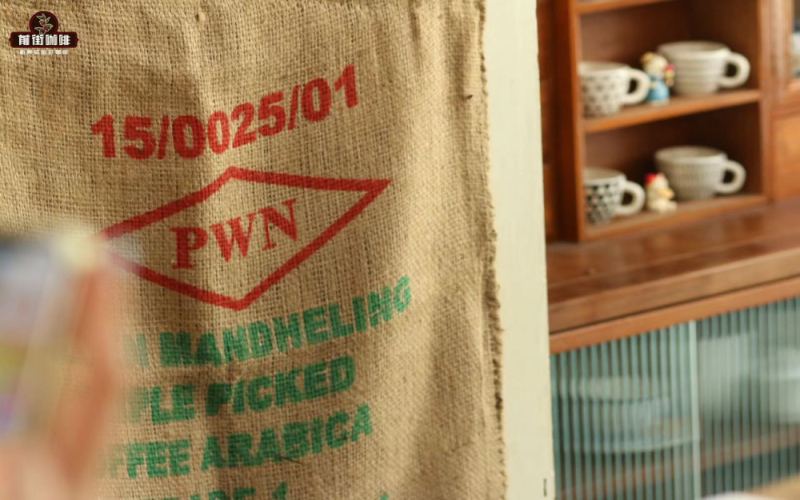
The Complete Guide to Golden Mandheling Pour-Over: From PWN Bean Selection and Roasting Approach to Coarse Grind Low-Temperature Extraction
Golden Mandheling was once a classic option on specialty coffee menus, known for its rich, substantial body and creamy texture. Drawing on Front Street Coffee's practical experience, this article provides a complete overview of key points for selecting Golden Mandheling beans, identifying the PWN trademark, the flavor characteristics brought by the wet-hulling process, and roasting curves and pour-over parameters for dark-roasted beans. From controlling the first crack on the Yangjia 800N roaster to the extraction method using a KONO dripper with 88°C water and a 1:15 coffee-to-water ratio, the article also offers references for staged pouring and total extraction time, helping coffee enthusiasts consistently brew a clean, sweet finish interwoven with nuts, spices, herbs, and chocolate at home. [more…]
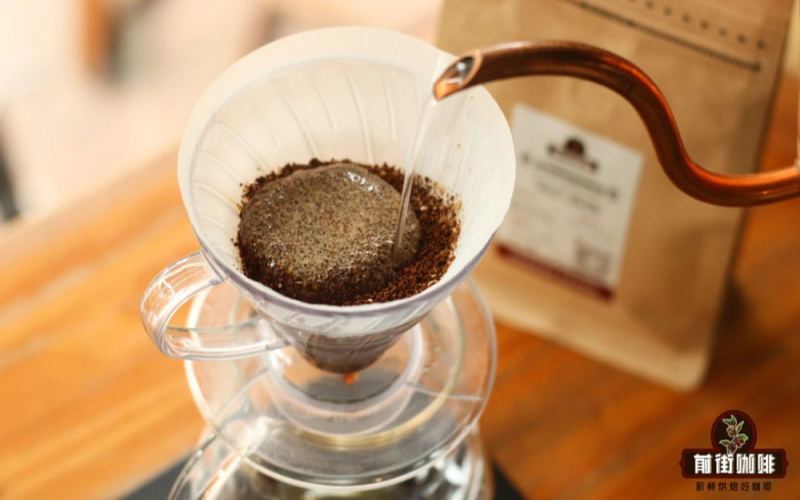
A Beginner's Guide to Pour-Over Coffee: 7 Key Elements from Bean Selection to Extraction and a Step-by-Step Breakdown
For those just getting into specialty coffee, the wide array of equipment and techniques can often feel overwhelming. In reality, pour-over coffee isn't as complicated as it seems—master a few core points and you can get started quickly. This article compiles 7 key elements distilled from Front Street Coffee baristas' years of hands-on experience, covering coffee bean freshness, grind size, water temperature control, water quality requirements, dripper selection, coffee-to-water ratio, and extraction time, and further breaks down the three stages of coffee extraction: wetting, dissolution, and diffusion. Finally, using Front Street Ethiopia Sidamo Natural Hualing 8.0 as an example, it presents a complete practical workflow from parameter setting to brewing technique, helping beginners build a clear pour-over framework. [more…]
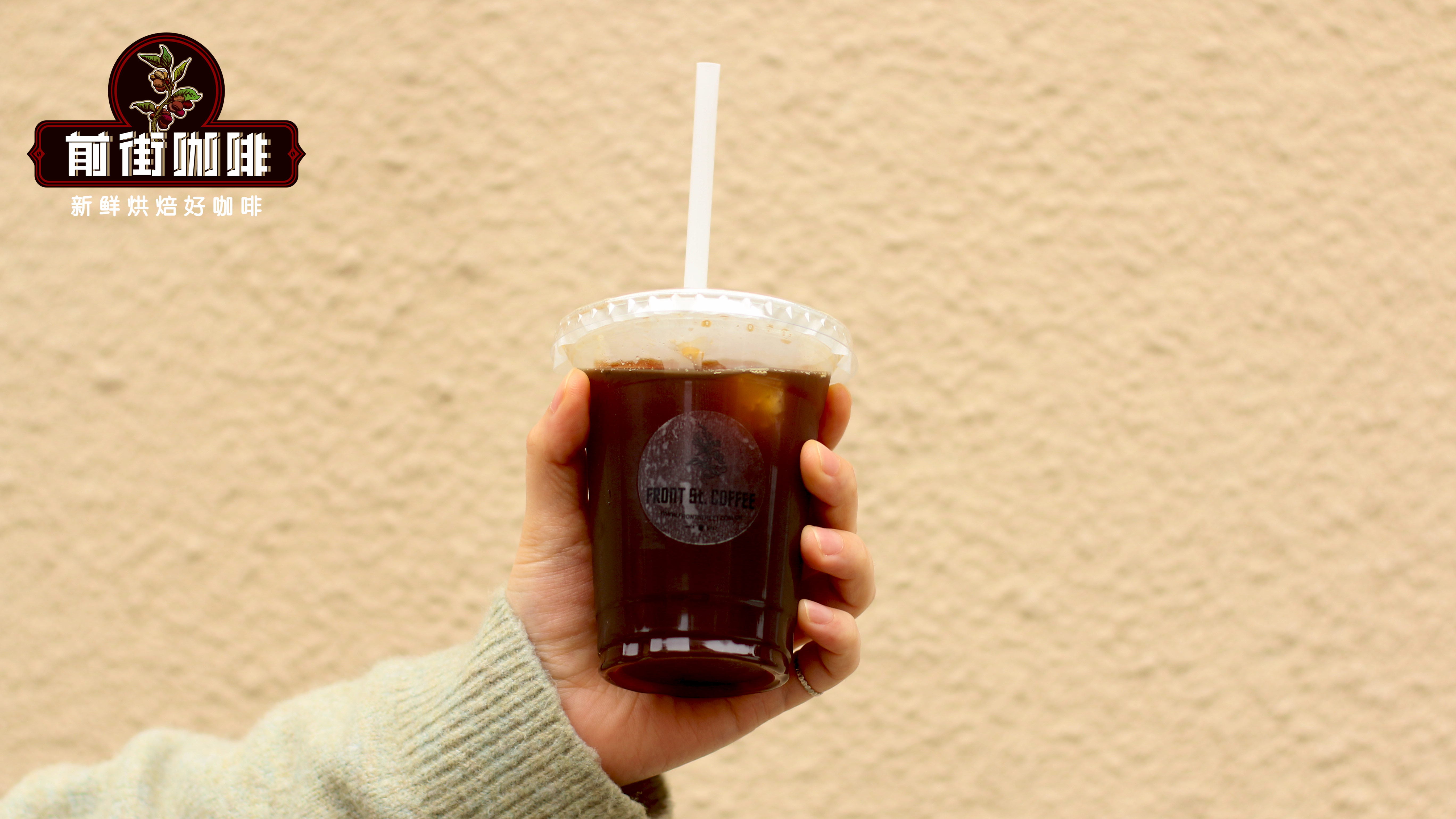
American Coffee Bean Selection Guide: Espresso Beans Suitable for Americano and Key Grinding and Extraction Points
Americano, with its refreshing and invigorating qualities, neither too strong nor bitter, has become a daily essential beverage for many office workers and a popular choice for home coffee making. Its composition is not complicated—just espresso and water—so as long as the quality of the espresso is ensured, a delicious Americano is basically more than half successful. This article focuses on the bean selection approach for Americano, the influence of roast level, the flavor performance of Front Street Coffee's two espresso blends, as well as grinding and extraction parameters and the specific ratios for hot and iced Americano, helping coffee enthusiasts consistently make a balanced and pleasant-tasting Americano at home. [more…]
Kenyan Coffee Flavor and Regions: A Complete Guide — From AA Grading to K72 Washing, Front Street Coffee Helps You Understand Specialty Kenya
Kenyan coffee is renowned for its bright, full-bodied fruit acidity and thick, juicy mouthfeel, making it a producer origin that cannot be overlooked on the global specialty coffee map. This article systematically sorts through the full picture of Kenyan coffee, from its historical evolution, variety selection and breeding, the terroir of its six major producing regions, the auction and direct trade systems, to green bean grading standards and the K72 washed processing method. At the same time, drawing on the cupping and brewing experience of FrontStreet Coffee, it introduces the origin information and brewing parameters of Kenyan Cherry Tomato coffee beans, helping coffee enthusiasts gain a more comprehensive understanding of the unique charm of this East African producing country. [more…]
Cold Brew Coffee Maker Operation Guide: From Bean Selection to Extraction, a Step-by-Step Guide to Making Café-Quality Cold Brew Coffee
Cold brew coffee, with its pure, smooth mouthfeel and distinctly layered flavors, has become the top choice for many coffee lovers during the hot season. Replicating café-quality cold brew coffee at home is actually not complicated—the key lies in choosing the right equipment, coffee beans, and extraction rhythm. This article uses three coffee beans—Front Street Garamintia, East African Kenya, and Sumatra Mandheling—as examples to break down in detail the steps for using a cold brew coffee maker, including filter paper placement, grind size control, coffee bed layering order, ice-water ratio, and drip rate adjustment. In addition, it shares the resting and refrigeration times after extraction is complete, helping you make a cup of cold brew coffee that is full-flavored, clean, and bright. [more…]
Kenya AA Coffee Brewing Guide: From Origins and Cultivation to the K72 Process and Pour-Over Parameters
Kenyan coffee is renowned for its bright fruit acidity and full-bodied berry notes. This article systematically covers its full story: from its introduction and cultivation in the early 20th century, to the Scott Laboratories' selection and breeding of SL28 and SL34, the evolution of the auction and direct trade systems, to the terroir differences among the six major producing regions and the logic of bean size grading. It also explains in detail the three-cycle fermentation mechanism of the K72 washed processing method, and provides reproducible parameters using a V60 brewing recipe with 15 grams of coffee and 91°C water. Whether you want to understand the substantive difference between Kenyan AA and AB grades, or want to brew a cup of Kenyan coffee interweaving the sweetness of smoked plum, cherry tomato, and yellow sugar, you will find a complete reference in this article. [more…]
A Full Analysis of Ten Selected Drip Coffee Flavors and Origins, with Front Street Drip Bag Brewing Steps Tutorial
The emergence of drip bag coffee has allowed coffee lovers who seek both convenience and quality to find a balance. Without complicated equipment, a single drip bag lets you taste the specialty flavors of different origins. Front Street Coffee, as a long-established roasting brand, selects single-origin beans from ten major regions—Yirgacheffe, Rwanda, Indonesia, Panama, Brazil, Colombia, Papua New Guinea, Yunnan, Kenya, and Costa Rica—to make drip bags, each showcasing distinct regional characteristics. This article analyzes the origin information, processing methods, and flavor profiles of these ten drip bag coffees one by one, and includes a detailed drip bag brewing demonstration at the end to help you easily recreate a good cup of coffee at home. [more…]
Colombia Huila Coffee Bean Flavor Analysis: Washed Dark Roast Huila Everyday Bean Pour-Over Method
Colombian coffee is known for its heavy, balanced, and rich dark chocolate and caramel sweetness, and the Huila Department, as the country's most renowned specialty producing region, has washed coffee beans that are the very representation of traditional flavor. Front Street Coffee selects Huila washed beans as the Colombian regional everyday beans, using a medium-dark roast to present a full-bodied taste of nuts, chocolate, and soft fruit acidity. This article will provide a complete analysis of this bean's flavor characteristics and brewing methods, from the historical background of Colombian coffee, the terroir conditions of the Huila region, and the washed processing technique, to the positioning of Front Street's everyday bean series, and then to specific pour-over parameters and KONO dripper extraction techniques, helping coffee enthusiasts gain a deeper understanding of the charm of Colombian coffee. [more…]
Kenya SL28 and SL34 Coffee Varieties Explained and a Full Overview of Flavor Differences Between AA and AB Grades
Kenyan coffee stands out among Africa's specialty origins for its bright and delightful acidity, and the core that sustains its consistent quality is precisely the two signature varieties, SL28 and SL34. In this article, Front Street Coffee (FrontStreet Coffee) systematically sorts out the varietal origins of Kenyan coffee: from the selection process at the Scott Laboratories, to the genetic classification and bean appearance differences of SL28 and SL34, and on to the later Ruiru 11 and Batian. The article also provides a detailed interpretation of the green bean grading system that Kenya still uses today, explaining that the difference between AA and AB lies mainly in bean size rather than flavor quality, and includes complete information, roasting curves, and brewing suggestions for Front Street's two beans, Kenya Asaliya and Sachini PB, to help coffee enthusiasts fully understand the flavor logic of Kenyan coffee. [more…]
Seven Core Principles for Consistently Great Coffee: A Scientific Brewing Analysis from Dripper Selection to Team Collaboration
Those seemingly casual artistic expressions in coffee shops—tattoos, latte art, a laid-back atmosphere—are actually underpinned by a rigorous set of scientific rules. When baristas have to face the test of producing hundreds of cups every day, consistency becomes the key to whether customers will come back again. This article, from a professional perspective, systematically sorts out seven practical principles for maintaining coffee quality consistency: from valuing the filter basket model and recommended dose, treating the scale as a core tool, to establishing reusable brewing recipes, dealing with the natural variations of blend beans, to facing the reality that pour-over coffee is hard to keep stable, valuing the impact of water quality on flavor, and relying on teamwork to achieve consistently stable output. These rules may seem dull, but they are the cornerstone that makes every cup of coffee trustworthy. [more…]
A Complete Guide to Pour-Over Coffee at Home for Absolute Beginners: Equipment Selection, Parameter Control, and a Front Street Yirgacheffe Walkthrough
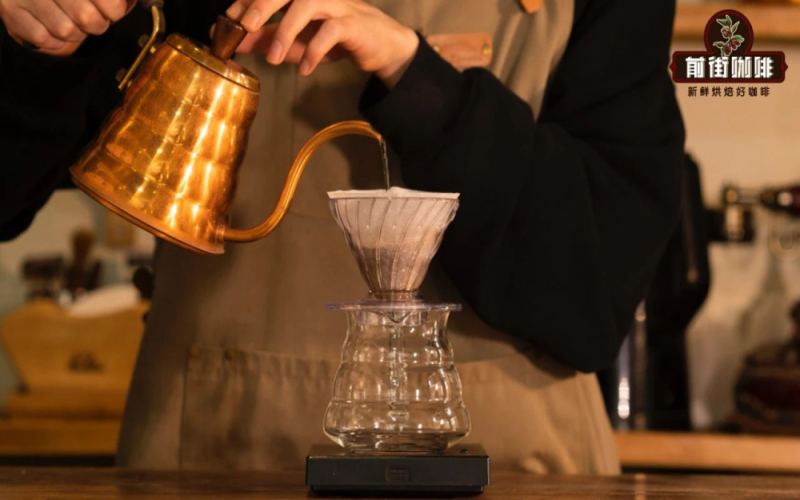
Want to brew a pour-over coffee at home but don't know where to start? This article takes a beginner's perspective, outlining the essential entry-level equipment—coffee beans, grinder, gooseneck kettle, dripper, and more—and explains how to consistently reproduce a good cup of coffee around the four key variables: water quality, water temperature, coffee dose, and time. Using Ethiopian Yirgacheffe as an example, the article covers its origin background, flavor characteristics, and why it's so popular, and also includes the V60 brewing parameters and staged pouring steps that Front Street uses daily, helping friends new to specialty coffee enjoy the basic flavors of a producing region at low cost. [more…]